Home Paternity Tests for Peace of Mind: How Reliable Are They?
At-home paternity tests have grown in demand for people wanting to understand biological connections. They promise high accuracy rates, commonly going beyond 99%. Yet, the dependability of such tests may be affected by various factors, including how samples are collected. As individuals weigh the advantages and drawbacks, understanding the nuances of these tests becomes essential. What implications might arise from accepting these findings without subsequent confirmation?
How Does a Home Paternity Test Work?
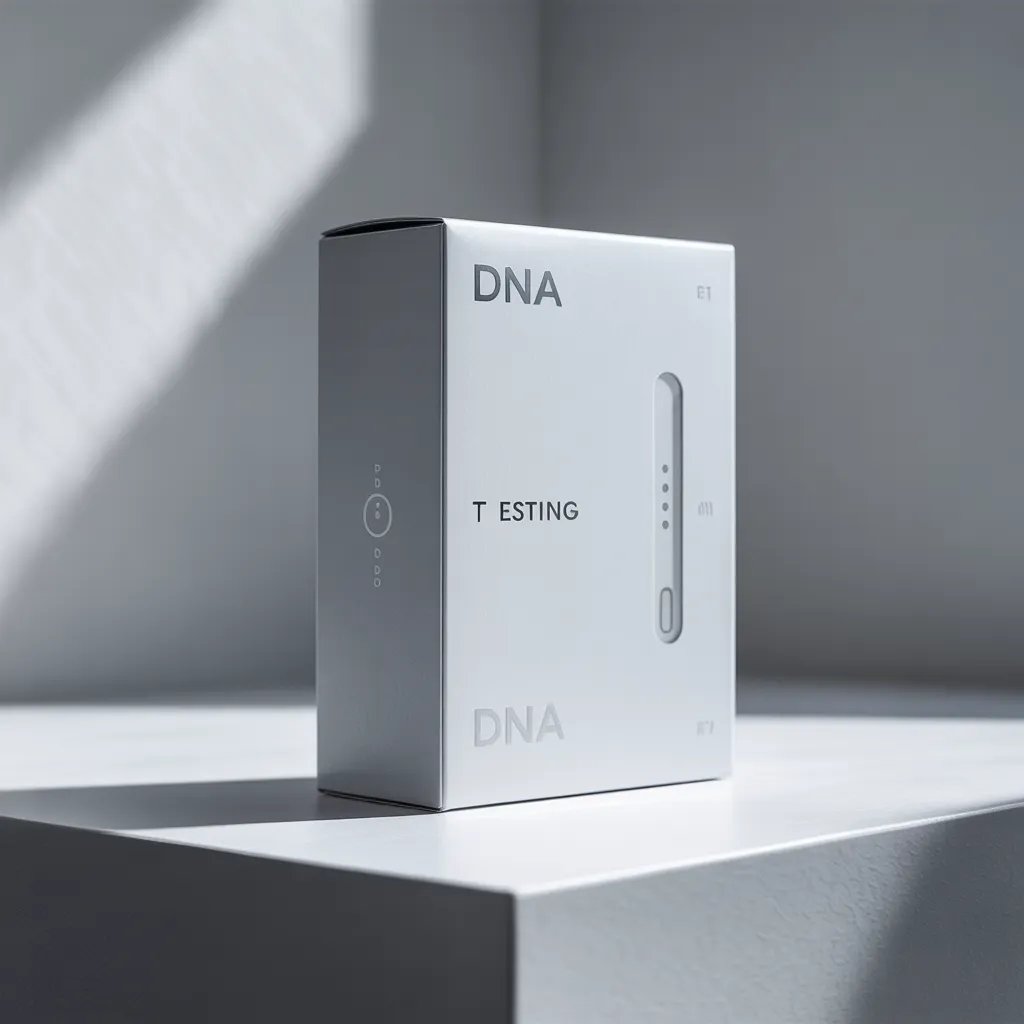
At-home paternity tests generally work through a straightforward process that emphasizes reliability and simplicity. Initially, individuals order a test kit online, which is then delivered discreetly to their home. The kit typically includes swabs for collecting DNA samples from both the potential father and the child, providing a comfortable and non-intrusive method.
After samples have been collected, they are returned to the laboratory for examination. The testing center analyzes the DNA to determine specific genetic markers shared between the parent and child. Findings are typically available within a few days and are provided in a clear, concise format.
Numerous home paternity tests feature protected online access to results, ensuring privacy and confidentiality. The simplicity of the process has rendered these tests growing in demand among those seeking clarity regarding paternity without the need for court involvement or medical appointments. Ultimately, home paternity tests provide a practical solution for those seeking answers about familial relationships.
What Is the Accuracy of Home Paternity Tests?
Home paternity tests offer a convenient way to determining biological connections, but the reliability of results may differ significantly. Key factors influencing reliability include sample collection procedures, result precision relative to clinical testing, and the significance of correct methodology. Being aware of these aspects is vital for those thinking about using a home paternity testing kit.
Testing Methodology Overview
Grasping the testing methodology behind paternity tests is crucial for assessing their accuracy. Residential paternity testing kits typically employ a technique known as DNA profiling, which studies specific markers in the DNA from both the alleged father and the child. Samples are usually gathered through cheek swabs, making the process straightforward and user-friendly. The DNA is then replicated using polymerase chain reaction (PCR) to locate genetic markers. By analyzing the genetic profiles, the test calculates the likelihood of paternity. Most kits offer instructions to ensure proper sample collection and handling. It is critical to note that while home tests deliver convenience, they may not always adhere to the rigorous standards of accredited laboratories, which can impact the reliability of results.
Accuracy Rate Comparisons
Evaluating the precision of residential paternity tests reveals that while they deliver convenience, their reliability can fluctuate. Nearly all trustworthy home paternity tests claim an accuracy rate going beyond 99%, which aligns closely with professional lab evaluations. However, inconsistencies can emerge based on multiple considerations, including the grade of the testing kit, the number of genetic indicators analyzed, and the user's compliance with guidelines. Some tests may only analyze a restricted number of markers, potentially affecting outcomes. Additionally, improper sample collection or contamination can cause erroneous findings. As a result, while at-home tests can offer a initial indication of paternity status, they ought not to replace detailed clinical evaluations for definitive proof. It is recommended to consider these aspects when evaluating outcomes.
Significance of Sample Collection
Accurate specimen collection is essential for maintaining the reliability of paternity test results. With at-home paternity testing, the dependability of the outcome is significantly influenced by how well the samples are obtained and preserved. Commonly, buccal swabs, which gather cells from the inside of the cheek, are employed for DNA collection. If the specimens are not collected properly, contamination or insufficient sample may result in indeterminate findings. Additionally, adhering to the given instructions carefully is essential; any variation can jeopardize the quality of the specimens. Environmental factors, like moisture or improper storage, can also affect the DNA sample integrity. In summary, careful sample gathering plays a fundamental role in achieving accurate and dependable paternity DNA findings.
How to Select a Trustworthy Home Paternity Test
Selecting a dependable at-home paternity test requires careful consideration of several key factors. Test accuracy and reliability are paramount, in addition to understanding the sample collection procedures to ensure accurate results. Moreover, choosing a test from a provider that complies with certification and accreditation standards can further get details enhance assurance in the outcomes.
Testing Precision and Reliability
When picking a home paternity test, comprehending its precision and dependability is crucial for arriving at significant conclusions. Consumers should prioritize tests that are certified by established organizations, guaranteeing compliance with rigorous quality standards. The most reliable tests typically analyze a minimum of 16 to 21 genetic indicators, as this increases the precision of results. Moreover, it is critical to choose a company that provides a detailed overview of its testing processes and supplies a firm commitment to accuracy. Examining reviews and verifying clear customer support can also aid in evaluating the reliability of a test. In the end, opting for a trustworthy provider with a demonstrated record can considerably increase the probability of achieving accurate results.
Sample Collection Methods
A dependable home paternity test relies heavily on proper sample collection methods. Proper collection of DNA samples is vital for ensuring test accuracy. Home testing kits commonly employ buccal swabs, offering ease of use and lowered contamination risk. It is important for all individuals to strictly follow the provided instructions, refraining from eating, drinking, or smoking for at least 30 minutes before swabbing. This helps prevent foreign materials from affecting the sample. It is also essential to handle the swabs with clean hands and avoid touching the absorbent tip. Once collected, samples must be stored according to the provided guidelines and dispatched to the lab without delay. Following these steps improves the dependability of results from home paternity tests.
Standards for Certification and Accreditation
Dependable at-home paternity tests typically feature particular certification and accreditation requirements that confirm their validity and accuracy. Customers should look for tests approved by respected bodies such as the AABB or the American Association of Blood Banks or comparable organizations. Such certifications verify that the examination process conforms to rigorous scientific protocols and ethical guidelines. Additionally, labs must be recognized by recognized bodies, which confirms they satisfy professional benchmarks for quality and dependability. It is essential to confirm that the testing provider supplies transparent records of these accreditations. This careful approach helps guarantee that the results obtained from a home paternity test are reliable and dependable for reaching well-informed conclusions about paternity.
Legal Considerations Surrounding Home Paternity Tests
Although at-home paternity tests deliver convenience and privacy, they present significant legal implications that individuals should carefully consider. These test results could be inadmissible as legal evidence, potentially complicating matters such as custody disputes or child support cases. Furthermore, if the test reveals unexpected results, it may lead to significant emotional and legal distress, especially in established family dynamics.
Moreover, questions about consent can emerge, particularly if a party did not consent to the testing. This could result in claims of invasion of privacy or legal repercussions. Individuals should also be aware that the lack of identification of these tests can hinder efforts to trace results back to a reliable source, generating questions about the legitimacy of conclusions. Consequently, people thinking about home paternity tests should seek legal counsel to gain a thorough understanding of the consequences and guarantee that their choices correspond to their long-term intentions.
Major Misconceptions About Home Paternity Tests
What misunderstandings exist around home paternity tests? Numerous people incorrectly assume that such tests guarantee entirely conclusive outcomes. In reality, while home paternity tests are highly accurate, they are not infallible. One additional prevalent misconception is that the test may be administered at any moment without sufficient preparation; however, following specific instructions is essential for obtaining reliable results. Additionally, some people think that the results from home tests are legally binding, which is not the case; solely tests performed in certified laboratories hold validity in legal contexts. Lastly, some hold the notion that these tests are capable of identifying other family connections, such as siblinghood or grandparentage, yet they are exclusively intended to determine paternity. Recognizing these misunderstandings can assist people in making well-informed choices and establishing reasonable expectations about home paternity testing.
What Do Professionals Say About Home Paternity Tests?
Specialists stress the necessity of acknowledging the boundaries and precision of home paternity tests. Numerous experts in legal and genetic fields caution that while such tests can offer initial findings, they are not substitutes for legally binding results secured through certified testing facilities. The precision of home tests varies considerably, largely determined by the caliber of specimen collection and the examination procedures applied. Experts highlight that inadequate sample size, contamination, or improper handling can lead to inaccurate or inconclusive findings.
In addition, the legal aspects of paternity testing are complex. Outcomes from at-home tests may not stand up in court, as they do not meet the strict standards needed for legal paternity cases. Therefore, while home paternity tests may deliver some comfort, specialists suggest speaking with healthcare professionals or legal advisors for a full understanding and to confirm every decision made is based on accurate and dependable information.
Can You Rely on a Home Paternity Test?
What level of accuracy can home paternity tests achieve in identifying biological relationships? The reliability of these tests frequently depends on the caliber of the kit selected and the laboratory handling the samples. Many home paternity tests claim high accuracy rates, sometimes up to 99.9%, but this can vary considerably. Consumers should take care to choose a trustworthy provider, since not all manufacturers maintain identical quality standards.
In addition, home testing kits may lack legal admissibility in court proceedings, restricting their usefulness in formal legal matters. This method commonly entails gathering cheek swab specimens, which can be straightforward but may lead to contamination if not done correctly. Specialists advise seeking guidance from a healthcare provider or genetic counselor prior to depending entirely on a home test. Although these tests may offer reassurance, their results must be approached carefully and should never replace comprehensive legal or medical guidance.
Questions We Often Receive
Are Home Paternity Tests Able to Determine Sibling Relationships?
Residential paternity tests are mainly used to establish the relationship between a father and child. Though they are capable of suggesting familial connections between siblings by analyzing common DNA markers, their accuracy in confirming such connections is less reliable than specialized sibling tests carried out in professional laboratory settings.
How Is Sample Collection Done for Home Paternity Tests?
Specimens for at-home paternity tests are commonly gathered using cheek swabs, which require gently rubbing a sanitized swab along the inner surface of the cheek. This approach is gentle and helps minimize any discomfort experienced by those involved.
Are Home Paternity Tests Admissible in Court?
At-home paternity tests are generally not admissible in court owing to concerns over the collection of samples and chain of custody. The courts typically necessitate tests performed under rigorous laboratory conditions for legal purposes, providing accuracy and reliability.
What Happens if the Test Results Are Inconclusive?
If test results are inconclusive, it may lead to further testing or analysis. People should seek professional guidance, as inconclusive findings can create complications in legal matters and personal relationships related to paternity.
Can I Use a Home Paternity Test for Immigration Purposes?
Home-based paternity tests are largely not recognized for immigration purposes. Formal immigration procedures mandate tests performed in certified laboratories, ensuring chain-of-custody protocols and verified results to meet legal requirements and validate familial relationships.
Comments on “Expert Insights to Home Paternity Test”