How Accurate Are Home Paternity Tests? A Deep Dive
Home paternity tests have gained popularity for their convenience and claimed accuracy rates exceeding 99%. Nevertheless, their dependability depends on several key factors, such as the method of sample collection and the testing procedures used. While these tests offer privacy and affordability, they could fall short of meeting legal requirements. Grasping the complexities surrounding these tests is crucial, most notably when surprising outcomes emerge. What happens next can greatly impact personal relationships and legal matters.
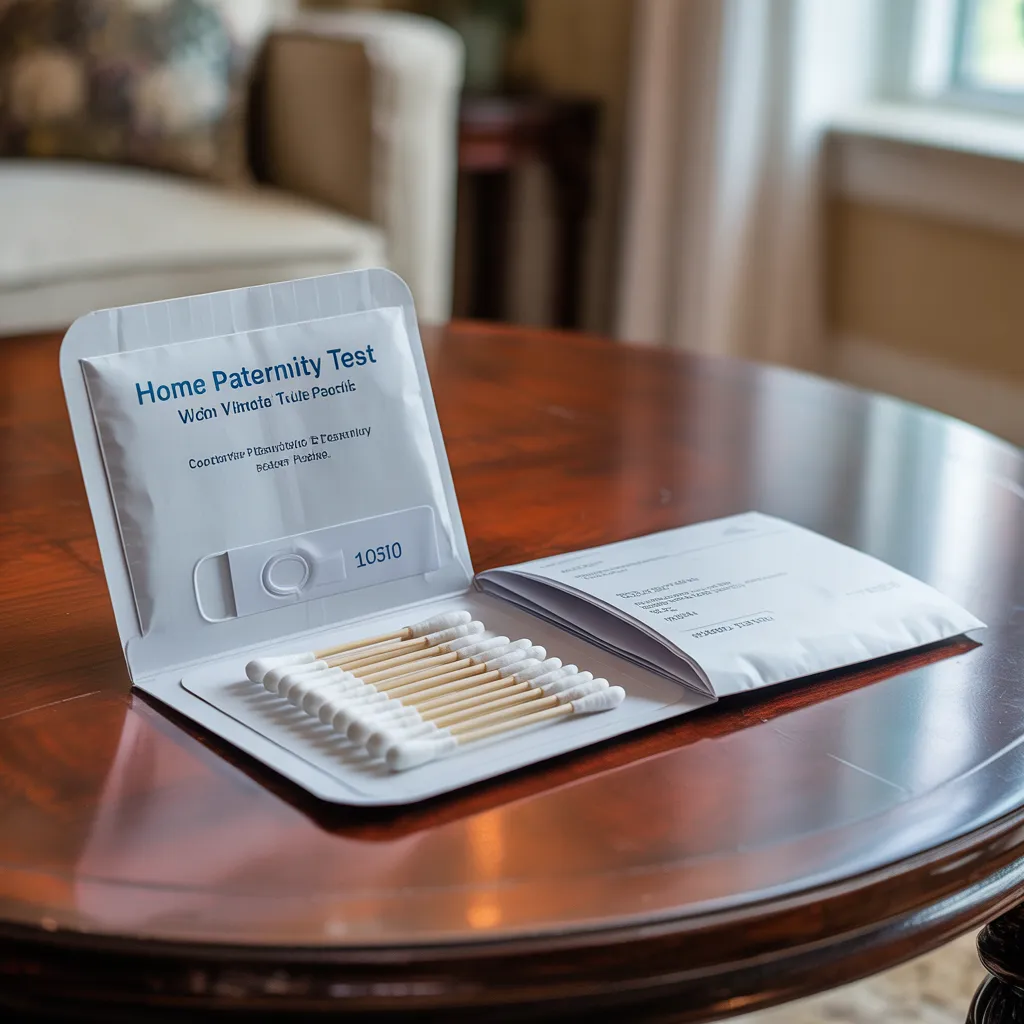
What Are At-Home Paternity Tests and How Are They Used?
At-home paternity tests provide an accessible option for individuals seeking to confirm biological relationships without requiring visits to a laboratory. These tests typically utilize a straightforward procedure centered around collecting genetic samples, commonly via oral swabs collected from both the alleged father and child. When the samples have been obtained, they are sent to a testing laboratory, where sophisticated genetic testing is performed.
The tests analyze distinct genetic markers to determine whether there is a biological connection between the people being tested. Most at-home paternity test kits offer detailed instructions for gathering samples and protective packaging for postal submission. Outcomes are generally provided within a short timeframe, allowing individuals to receive answers promptly. While these tests are accessible and user-friendly, it remains important to assess the different elements that could affect their precision and dependability, which will be explored in subsequent sections.
Precision of Home vs. Laboratory Paternity Tests?
The accuracy of paternity tests can differ significantly between home testing kits and those conducted in professional laboratories. Consumer paternity testing kits generally claim to provide results boasting an accuracy rate of over 99%. Yet, such results are commonly reliant on correct sample gathering and following the provided instructions. Improper sample processing can produce misleading results.
In contrast, lab tests utilize more sophisticated methodologies and stringent quality controls, routinely attaining accuracy rates that dependably go beyond 99.9%. Expert labs assess a broader range of genetic markers, which enhances the reliability of the results. Furthermore, they deliver specialized evaluation of the data, reducing the likelihood of errors that can arise with at-home testing.
Ultimately, even though home tests provide convenience, laboratory tests deliver a higher level of accuracy and reliability, making them the ideal selection for those seeking definitive paternity answers.
Elements That Influence the Accuracy of Paternity Test Results
Though it is commonly assumed that all paternity tests yield equally reliable results, a number of factors significantly affect their accuracy. The quality of the DNA samples collected plays an essential role; improper handling or contamination can lead to inaccurate results. Moreover, the specific testing methodology employed by various testing facilities affects reliability. Some tests analyze fewer genetic markers than others, which may lead to less conclusive findings.
Timing plays a significant role as well; performing a test during the early stages of pregnancy can produce inconclusive results. Moreover, rare genetic markers or mutations can make interpretations more complex. The mental and emotional condition of those involved may unintentionally affect sample collection, as stress and anxiety can result in collection errors. In addition, the credibility and accreditation of the testing lab play a vital role; accredited labs maintain strict quality protocols, delivering more trustworthy outcomes than less recognized providers. Together, these elements significantly influence the reliability of paternity test results.
Advantages and Disadvantages of Home Paternity Tests
How do home paternity tests stack up against traditional laboratory options? Home paternity tests present multiple advantages, such as convenience and discretion. They allow individuals to collect samples in the comfort of their homes, eliminating the need for medical appointments. Additionally, these tests are generally more affordable than laboratory options, making them accessible to a broader audience.
However, there are notable drawbacks. The precision of home tests can vary considerably, often depending on the brand and testing method. Unlike professional testing facilities, which maintain rigorous procedures, home tests may fall short of the same standards of precision and consistency. Additionally, results from home tests are generally not valid in a court of law, constraining their usefulness in official situations, such as court cases or custody battles. In the end, prospective users should thoroughly evaluate these benefits and drawbacks before choosing between a home paternity test over a conventional lab test.
What Should You Do If Your Results Surprise You?
When someone gets surprising outcomes from a home-based paternity test, it is important to assess the emotional impact of these results. Recognizing the emotions that surface can help in processing the situation effectively. Seeking professional guidance may also offer meaningful assistance and insight during this difficult period.
Evaluate Emotional Impact
The discovery of unforeseen paternity test results can bring about a intricate spectrum of emotions, stretching from confusion to clarity. People often feel bewilderment, doubt, or resentment, particularly if the results contradict established perceptions or familial histories. These reactions are often heightened by concerns about individual identity and family dynamics. It is vital to recognize these emotions, as they can greatly affect mental well-being. Processing the emotional fallout may require time and introspection, allowing individuals to reflect on their circumstances and think about the meaning of the findings. Turning to reliable friends or family can provide essential support, while journaling or engaging in creative outlets may help in steering through these difficult sentiments.
Consider Professional Guidance
Unexpected related information paternity test results can result in individuals dealing with overwhelming emotions, creating a need for further support. In such situations, consulting a professional becomes a necessary step. A trained therapist or counselor can assist individuals in working through their emotions, creating a secure environment to address difficult feelings including shock, anger, or confusion. Additionally, speaking with a genetic specialist can shed light on what the test results mean, guiding individuals toward understanding their available choices. It is also advisable to share the results with a close and trusted confidant, making certain that the person has companionship during this trying time. Ultimately, professional support can encourage constructive coping mechanisms and thoughtful decision-making in light of unexpected revelations.
Legal Impact of Home Paternity Testing Results
The legal standing of home-based paternity test findings can significantly impact numerous legal processes. Legal authorities routinely evaluate the credibility of these tests, which may affect rulings in custody disputes and other family law matters. Recognizing these possible consequences is crucial for people exploring home testing options.
Legal Standing of Results
Many individuals consider at-home paternity tests for the comfort and discretion they provide, but the legal standing of these findings can be complicated. In most cases, results obtained from home tests are inadmissible in court, as they do not meet the strict chain of custody requirements required for legal purposes. Legal systems frequently demand results from certified laboratories that follow strict protocols to guarantee accuracy and reliability. Moreover, home tests may not provide absolute confirmation of paternity, particularly when results are disputed. This lack of legal recognition can result in complications when seeking child support, custody, or inheritance rights. Therefore, while at-home paternity tests may provide preliminary insights, those involved should remain vigilant regarding the associated legal ramifications and pursue accredited testing for matters that could involve legal proceedings.
Potential Legal Repercussions
Findings from at-home paternity tests can cause substantial juridical implications, particularly when people try to present them as court evidence. Courts typically require paternity testing conducted under strict protocols to ensure accuracy and evidence integrity. As a result, outcomes from uncontrolled home tests may be deemed inadmissible as evidence. This can complicate legal proceedings such as child support, inheritance claims, or parental rights, as the validity of the tests can be contested. Additionally, depending on these outcomes can cause emotional and financial ramifications for the affected families. Recognizing the restrictions of home tests is essential, as misinterpretation of their outcomes may lead to prolonged litigation or unfavorable legal outcomes. Qualified legal guidance is imperative in maneuvering these complexities.
Influence on Custody Cases
In what ways can home paternity test results impact custody cases? The outcomes of these tests can substantially impact legal determinations concerning child custody. When a home paternity test indicates a biological connection, it may strengthen a father's claim for custody or visitation rights. In contrast, a negative outcome can compromise a father's case, potentially causing the loss of parental rights or monetary obligations. Courts typically favor established legal parentage; therefore, results from home tests may not be admissible as definitive evidence. However, they can prompt further testing or investigation. At the end of the day, while they supply useful perspectives, home paternity tests do not serve as replacements for formal legal proceedings, and their outcomes can vary according to jurisdiction and individual case circumstances.
Answers to Your Most Common Questions
Is It Legal to Use Home Paternity Tests in All States?
Home paternity tests are generally legal in most states; however, the regulations can differ. Individuals should carefully review local laws and any particular requirements related to testing, above all when testing is intended for legal or formal purposes.
How Long Does It Take to Get Results?
Home paternity test results generally take between three to five business days from the time the laboratory processes the samples. Certain providers may provide rush processing options, potentially cutting down the processing time for those eagerly awaiting results.
Can Home Testing Be Used for Legal Purposes?
At-home paternity tests generally do not have the legal recognition needed for court use. Such tests can deliver precise results for private information, but results accepted in a court of law require testing performed under rigorous chain-of-custody protocols by certified laboratories.
Is a Doctor's Supervision Required for Home Tests?
Home-based paternity tests require no physician oversight. Consumers can purchase and administer these tests without assistance, although speaking with a medical professional may offer further insight and help clarify the outcomes.
What Happens if I Test Multiple Times?
Testing multiple times can yield varying results due to factors like collection techniques and the timing of samples. Maintaining consistency is key; inconsistencies may encourage people to seek professional testing for more reliable and accurate conclusions related to paternity verification.
Comments on “Top Paternity Test Kits for DNA Confirmation”