Seeking Resolution: The Life-Changing Impact of Home Paternity Tests
Home-based paternity tests present a critical chance for people looking for answers about their genetic relationships. These tests can untangle deep-rooted doubts, sparking hard dialogues within family units. Even as the findings can provoke an overwhelming range of feelings, they simultaneously possess the ability to reshape personal narratives. As people navigate these revelations, the question remains: how will these revelations affect their bonds and self-perception? The path to clarity begins with the outcomes.
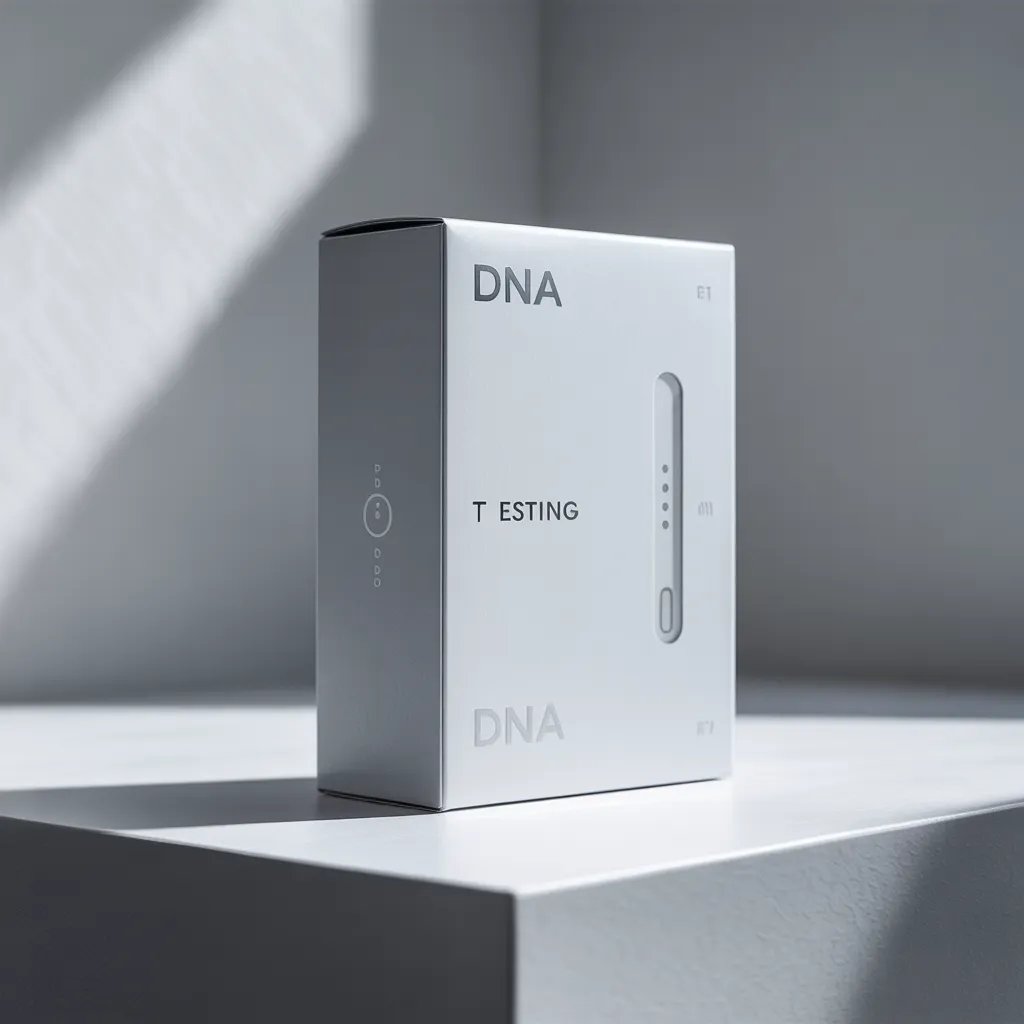
Key Facts to Understand About Home Paternity Tests
What aspects should individuals keep in mind when looking into home paternity tests? Initially, people should examine the credibility of the testing company. Reputable providers often offer accredited labs and clear methodologies. Furthermore, the reliability of test outcomes is critically important; numerous tests advertise over 99% accuracy, yet buyers should confirm these assertions through customer reviews or independent assessments. Cost is another critical consideration; although home tests tend to be less expensive than laboratory tests, costs can differ professional guide significantly. Additionally, users should verify that the test kit includes thorough instructions for sample collection to minimize errors. Data security is likewise crucial; users must comprehend how their genetic material will be retained and handled. Lastly, reflect on the emotional impact of the findings, as they may reveal significant personal truths. Being aware of these considerations can assist people in making well-informed choices regarding home paternity tests and their possible effects on family relationships.
The Role of Home Tests in Providing Convenience and Privacy
At-home paternity tests provide a discreet testing experience, allowing individuals to maintain privacy throughout the process. The easy sample collection approach further improves accessibility, allowing individuals to collect required samples within the privacy of their own homes. This blend of simplicity and privacy makes home testing an attractive choice for those in search of answers.
Discreet Evaluation Experience
The allure of confidential testing stems from its ability to offer individuals with confidentiality and ease while managing sensitive situations. Home paternity tests enable users to manage complex emotional situations without the oversight often associated with traditional testing procedures. By facilitating a private environment, these tests allow individuals to find clarity at their own convenience, reducing anxiety related to potential scrutiny from family or friends. The packaging is typically unmarked, guaranteeing confidentiality during delivery and collection. Additionally, the process can be completed in the privacy of one's own home, removing the need for distressing encounters in formal testing environments. This discreet approach not only honors personal boundaries but also cultivates a sense of empowerment over the testing experience, making it a valuable option for many.
Effortless Sample Collection Procedure
Collecting samples for paternity testing has never been easier, owing to easy-to-use kits created for home collection. These kits commonly feature straightforward swabs or collection tubes that need minimal preparation, permitting users to obtain DNA samples in a convenient and private manner. Each kit provides clear instructions, making certain that participants can accomplish the procedure without uncertainty or pressure. Moreover, the collection process is entirely non-invasive, rendering it suitable for individuals of every age group. This level of convenience empowers individuals to take control of their paternity testing journey, eliminating the need for clinic visits and reducing associated costs. In the end, at-home paternity tests not only provide confidentiality but also promote a sense of independence in navigating personal family matters.
Exploring the Profound Significance of Paternity DNA Tests
The psychological effect of at-home paternity testing can be profound, often bringing to light family secrets that alter relationships. While many individuals may experience relief and healing through a clearer understanding, others might confront feelings of betrayal or confusion. Acknowledging these psychological responses is essential for those navigating the challenges of family identity and dynamics.
Discovering Family Secrets
While many individuals approach paternity tests with curiosity, the emotional ramifications often extend far beyond mere answers. The disclosure of unforeseen biological ties can disrupt longstanding family narratives, leading to feelings of betrayal or confusion. For many, learning of a non-biological parentage may invoke deep sorrow over a lost relationship. On the other hand, some may experience happiness in newly discovered connections, however this elation can be eclipsed by the disturbance of current family dynamics. The weight of these revelations often burdens individuals, compelling them to traverse intricate emotional terrain. When family secrets surface, bonds may alter, and trust can be challenged, highlighting the profound impact that paternity tests can have on personal identity and familial bonds.
Healing Through Clarity
Understanding often emerges as a profound catalyst for recovery in the aftermath of paternity testing. For countless families, the discovery of hereditary bonds can trigger a complicated blend of emotions, including anger, relief, and sadness. These tests provide definitive answers that can dispel years of uncertainty, allowing families to face the truth. As individuals process the results, they frequently discover the chance to resolve deeply rooted conflicts. This renewed insight can foster open communication, rekindling relationships damaged by concealed facts. At its core, the personal significance of paternity tests reaches further than mere genetic connections, offering a pathway toward acceptance and reconciliation. Through conversation and compassion, individuals can transform their experiences into pathways toward self-improvement and recovery.
Transformative Experiences: Real-Life Stories
How can paternity tests redefine lives and relationships? For many individuals, the results can bring profound clarity and change. A man, once weighed down by uncertainty, found through a home paternity test that he was not the birth father of a child he had cared for over the years. This revelation, while painful, ultimately freed him from the emotional turmoil of uncertainty, allowing him to rebuild his life with honesty.
In another instance, a woman looking for resolution from a painful past found out that her father was indeed her biological parent, despite having believed otherwise for years. This revelation ignited a healing journey, repairing broken family bonds and fostering deeper connections.
These narratives highlight the profound impact of home paternity tests, altering lives by providing essential truths, promoting personal growth, and enabling individuals to navigate intricate emotional situations with fresh clarity and guidance.
The Way Home Paternity Tests Affect Family Dynamics
What happens to family dynamics when hidden truths emerge from home paternity tests? The revelation of biological relationships can alter existing connections, often leading to emotional upheaval. Should a test disclose that a supposed father is not genetically linked to a child, it can produce fractures in relationships, evoking a sense of betrayal and disorientation. On the other hand, uncovering a genuine biological link can reinforce relationships, cultivating feelings of belonging and acceptance.
Households may undergo a reevaluation of roles, as people work through the implications of newly discovered details. Brothers and sisters may struggle with shifted understandings of their connections, while parents may confront difficulties surrounding trust and open dialogue. In many instances, the outcomes can spark recovery, offering resolution for longstanding doubts. However, the emotional consequences are hard to foresee, as every household must work through the complexities of identity, loyalty, and love following surprising discoveries. In the end, residential paternity tests act as influential resources that can fundamentally transform family relationships.
Exploring the Legal Standing of Home Tests
The emotional ramifications of at-home paternity testing can cause individuals to look for resolution not only in personal relationships but also in the legal aspects of their situation. While these tests provide quick results and convenience, their legal validity varies considerably. In most cases, at-home tests fail to satisfy the rigorous requirements needed for legal proceedings, as they are missing adequate chain-of-custody procedures and expert oversight. Courts often require legally sanctioned paternity tests conducted in accredited laboratories, guaranteeing that the findings can be used in court. Moreover, relying on home tests may result in disagreements about their reliability, as they may not undergo the same rigorous quality control as laboratory tests. Those evaluating the effects of home-based paternity tests should recognize that while these tests can offer preliminary insights, they might be insufficient for addressing legal issues including custody, child support, or inheritance claims.
What to Do After Your Paternity Test Results?
Following the receipt of paternity test results, people frequently encounter a mix of sentiments and determinations. Whether the outcome confirms or denies biological ties, it is crucial to work through these emotions before making additional decisions. First, turning to reliable friends or counselors can bring emotional relief and a sense of direction.
Subsequently, individuals should consider their following actions based on the results. If the test validates the paternal relationship, discussions about legal rights and responsibilities may be needed, especially concerning child support or custody arrangements. Conversely, if the test shows no paternal link, it may necessitate rethinking future interactions and relationships with the child.
No matter the result, sustaining transparent communication with involved parties is vital. To conclude, it may be beneficial to record their emotions and choices to help navigate this significant transition. Every step made can result in a better-informed and more empowered tomorrow.
Questions We Often Receive
Do Home Paternity Tests Offer the Same Accuracy as Laboratory Tests?
Home paternity tests can be accurate, commonly producing outcomes similar to professional laboratory tests. That said, variables including sample collection methods and testing procedures may influence accuracy, making laboratory tests generally more dependable for definitive conclusions.
How Much Does a Home Paternity Test Usually Cost?
Home paternity tests generally cost between $100 and $300, depending on the brand and complexity. Costs may differ with additional services, such as expedited results or additional testing kits to accommodate multiple samples.
Are Home Tests Admissible for Legal Purposes?
At-home paternity tests are generally not suitable for legal proceedings, as they do not meet the strict chain-of-custody requirements and professional oversight necessary for admissibility in court. Tests intended for legal use need to be carried out in accredited laboratories for validity.
How Does the Process of Taking a Home Paternity Test Work?
The process for taking a home paternity test requires gathering DNA specimens, commonly using cheek swabs, submitting them to a lab, and then anticipating the findings, which generally become available within days to a few weeks.
How Long Does It Take to Receive Test Results?
Typically, individuals can expect to receive home paternity test results between five and seven business days. Certain providers may provide faster alternatives, potentially reducing the wait time to as little as 24 to 48 hours.
Comments on “Why a Home Paternity Test Provides 99.99% Accuracy”